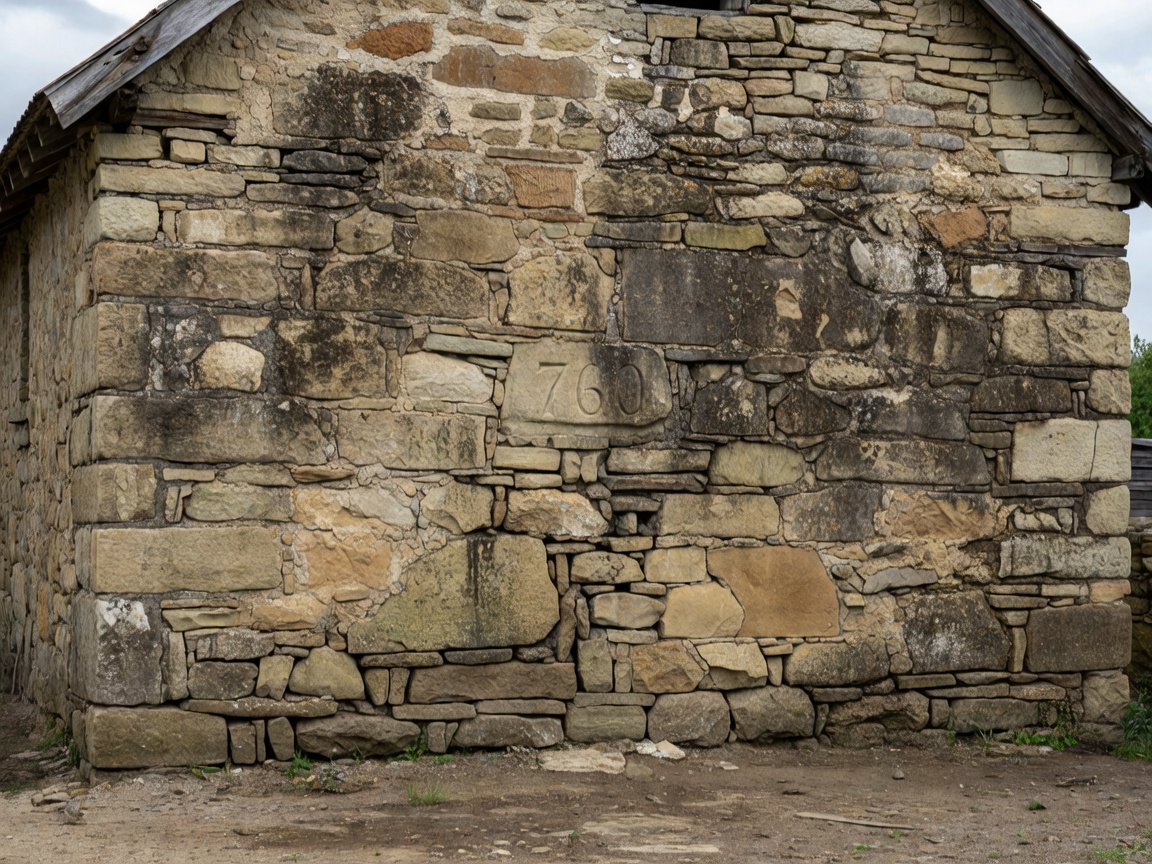
Condition assessment is a disciplined description of the building as observed at a defined time. It supports decisions about maintenance, monitoring and further investigation.
Condition categories
A project may use categories such as satisfactory, attention required, significant concern or specialist review. The labels should be defined before use. They are communication tools, not universal ratings. A category should be supported by location, description, photograph and stated limitation.
Observation groups
Relevant groups can include cracking, corrosion, moisture, settlement indicators, damaged finishes, doors and openings, roof components and high-level building services observations. Cracking is an observation category. Its cause, depth, movement and structural meaning cannot be diagnosed from generic photographs or wording alone.
Settlement indicators may include changes in level, separation, distortion or recurring damage. These features require context. Corrosion may affect exposed metal, fixings or drainage components, but its significance depends on material, location and extent. Moisture indicators may reflect more than one source.
Prioritising maintenance
Urgency can be described by consequence, deterioration risk, use and need for specialist advice. Immediate safety concerns should be controlled through site procedures. Routine maintenance, planned repair and further investigation should not be confused. Building services may be noted at a high level, but electrical, fire, gas and specialist systems require suitable professionals.
Key observations
Each observation should answer: what is visible, where is it, what evidence supports it, and what action is appropriate next? The final answer may be “monitor”, “obtain repair advice” or “seek specialist assessment”. Observation is not engineering diagnosis.
What to prepare
Provide earlier reports, photographs, maintenance records, building use, known incidents and any recurring issue log. Preserve safe access controls. Do not remove finishes, disturb suspected asbestos-containing materials or work near exposed services to reveal a condition.
Advantages and limitations
A consistent assessment makes maintenance conversations clearer and creates a useful baseline. It cannot assess concealed elements, prove structural capacity or replace testing and design advice where needed.
Checklist
☐ Condition categories defined ☐ Locations recorded ☐ Photos indexed ☐ Priorities separated ☐ Specialist limits stated
Discuss a Condition Review